
The Role of Nature in Healing Anxiety
Jan 14, 2026
Anxiety can feel like your body is stuck on high alert, with racing thoughts, tense muscles, and shallow breathing. While traditional coping strategies help, they often require effort when your nervous system is already overwhelmed. Nature offers a different kind of support—one that doesn’t demand focus or discipline. From the warmth of sunlight to the sound of rustling leaves, natural environments provide subtle cues of safety that help calm the body, slow the mind, and restore balance. Even brief moments outdoors can remind your nervous system what it feels like to relax. Learn more about the role of nature in healing depression by clicking here.
Table of Contents
- Why Nature Matters for Anxiety
- Science Behind Nature and the Nervous System
- How Nature Supports Emotional Regulation
- Nature as a Tool for Mindfulness
- Different Ways to Connect With Nature
- Why Nature Helps When Traditional Coping Skills Feel Hard
- Making Nature a Gentle, Sustainable Practice
- Reconnecting With What We Are Wired For
- More Resources
Why Nature Matters for Anxiety
Anxiety isn’t just something that happens in our thoughts—it’s a full-body experience. At its core, anxiety reflects a nervous system that has been stuck in a state of heightened alert for too long. When the body remains on “high signal,” it can feel difficult to relax, focus, or feel safe, even when no immediate threat is present. Over time, this chronic activation can leave people feeling exhausted, overwhelmed, and disconnected from themselves.
Nature is one of the most accessible—and often overlooked—ways to support a stressed nervous system. Natural environments gently encourage the body to shift out of fight-or-flight and into a calmer, more regulated state. Unlike many coping strategies that require effort, concentration, or discipline, nature works quietly in the background, offering regulation through sensory input, rhythm, and space.
Modern life, however, often pulls us in the opposite direction. Screens, artificial lighting, constant notifications, and indoor living keep our nervous systems stimulated in ways our bodies were never designed to handle long-term. From an evolutionary perspective, humans developed in close relationship with the natural world—responding to daylight, weather, movement, and sound. When we spend most of our time disconnected from these cues, the nervous system doesn’t get the signals it needs to fully power down.
Have you ever noticed how your breathing subtly shifts the moment you step outside? Or how your shoulders drop just a little when you hear wind in the trees or feel sunlight on your skin? These small changes are signs that your body remembers something important: nature feels safe, familiar, and regulating in ways that words and logic often cannot.
Science Behind Nature and the Nervous System
Anxiety is closely tied to the sympathetic nervous system—the part of the nervous system responsible for preparing the body to respond to danger. This system is often referred to as the “fight, flight, or freeze” response. When it’s activated, the body releases stress hormones, breathing becomes shallow, muscles tense, and attention narrows toward potential threats. In short bursts, this response is protective. But when it stays switched on for too long, it can leave the body feeling constantly on edge, even in safe situations.
Natural environments help counterbalance this state by supporting activation of the parasympathetic nervous system, sometimes called the “rest-and-digest” system. This is the branch of the nervous system responsible for slowing the heart rate, deepening the breath, and allowing the body to recover. Time spent in nature sends signals of safety to the brain—through sound, light, scent, and movement—making it easier for the body to downshift without conscious effort.
Research consistently shows that exposure to natural settings is associated with lower levels of cortisol, the hormone most commonly linked to stress. Reduced cortisol allows the body to move out of survival mode and into a state that supports emotional regulation and clearer thinking. Studies also suggest improvements in heart rate variability, a measure of how well the nervous system adapts to stress, indicating greater resilience and flexibility rather than chronic tension.
In addition, natural environments are linked to reduced muscle tension. The absence of constant noise, artificial lighting, and visual clutter allows the body to soften in subtle ways—shoulders relax, jaws unclench, and breathing becomes less restricted. Practices like forest bathing, or shinrin-yoku, which emphasize slow, mindful immersion in natural surroundings, have been shown to support mental health by reducing anxiety symptoms and improving overall mood.
What makes these findings especially meaningful is how little effort is required. The nervous system doesn’t need instructions to respond to nature—it does so instinctively. Simply being in a green space, near water, or surrounded by natural light can begin shifting the body toward calm, offering a science-backed reminder that healing doesn’t always have to be complicated to be effective.
How Nature Supports Emotional Regulation
Emotional regulation becomes difficult when the nervous system is overwhelmed. Nature supports regulation by engaging the senses in a way that feels steady, predictable, and non-threatening. The sound of wind, birds, or water creates a rhythmic backdrop that the brain can settle into. Natural light helps orient the body to time and safety, while textures like grass, bark, or stone provide tangible points of contact that gently pull attention out of the mind and back into the body. These sensory cues act as anchors, helping emotions feel more manageable rather than all-consuming.
When anxiety is present, thoughts often begin to race—looping through worst-case scenarios or scanning for what might go wrong next. Natural environments tend to slow this mental momentum. Unlike screens or busy indoor spaces, nature doesn’t demand constant interpretation or reaction. The brain is allowed to rest from problem-solving, which can reduce mental clutter and create space for thoughts to soften rather than spiral.
Nature also creates psychological distance from stressors. Being physically removed from workspaces, conflict-filled environments, or constant reminders of responsibility can help emotions feel less immediate and intense. Even brief time outdoors can shift perspective, allowing the nervous system to recalibrate before returning to daily demands. This distance isn’t avoidance—it’s a pause that supports clearer emotional processing.
For people who struggle with overthinking, hypervigilance, or panic symptoms, nature can be especially supportive. Overthinking thrives in environments that reinforce urgency and mental stimulation, while nature offers neutrality and space. Hypervigilance often keeps the body scanning for threat; in natural settings, the absence of social pressure and artificial noise can signal safety. For those prone to panic, the openness of outdoor spaces and the regulation of breath and posture can help reduce the sensation of being trapped or overwhelmed.
At a deeper level, nature meets a basic emotional need for safety and connection. Humans are wired to regulate in relationship—with others and with their environment. When the surroundings feel calm and responsive rather than demanding, emotions have room to rise and fall without being pushed away or intensified. In this way, nature doesn’t force emotional change; it creates the conditions where regulation can happen naturally.
Nature as a Tool for Mindfulness
For many people with anxiety, traditional mindfulness practices can feel surprisingly stressful. Being told to “focus on your breath” or “clear your mind” can quickly turn into another task to get right—or another way to feel like you’re failing. Nature offers a different entry point into mindfulness, one that doesn’t require effort, discipline, or perfect stillness.
Natural environments naturally invite present-moment awareness. When you’re outside, your attention is gently drawn to what’s happening around you rather than pulled inward. The movement of clouds, the sound of leaves shifting, or the warmth of sunlight on your skin brings awareness into the body without asking you to concentrate or control your thoughts. You don’t have to try to be mindful—your senses do the work for you.
This contrasts sharply with forced mindfulness practices, which often rely on intentional focus and mental redirection. While those approaches can be helpful, they aren’t always accessible when anxiety is high. Outdoors, awareness can remain passive. You might notice the wind without naming it, or register color and movement without analyzing what it means. There’s no goal other than being there.
Simple moments often become mindfulness in disguise: watching clouds slowly change shape, feeling a breeze move across your face, or noticing how light shifts across the ground. These experiences anchor attention in the present without requiring silence, stillness, or a calm mind. Thoughts can come and go without needing to be corrected or pushed away.
Mindfulness doesn’t have to look like sitting cross-legged in quiet meditation. It can be walking, standing, or simply noticing what’s around you for a few moments at a time. Nature makes mindfulness more accessible by removing pressure—and in doing so, it often makes it more effective.
Different Ways to Connect With Nature
When anxiety is present, advice like “just spend more time outside” can feel frustrating or unrealistic. The idea of going for a long walk, driving to a trail, or being around other people may feel overwhelming—or simply inaccessible. Connecting with nature doesn’t have to be all-or-nothing, and it doesn’t have to look the same for everyone.
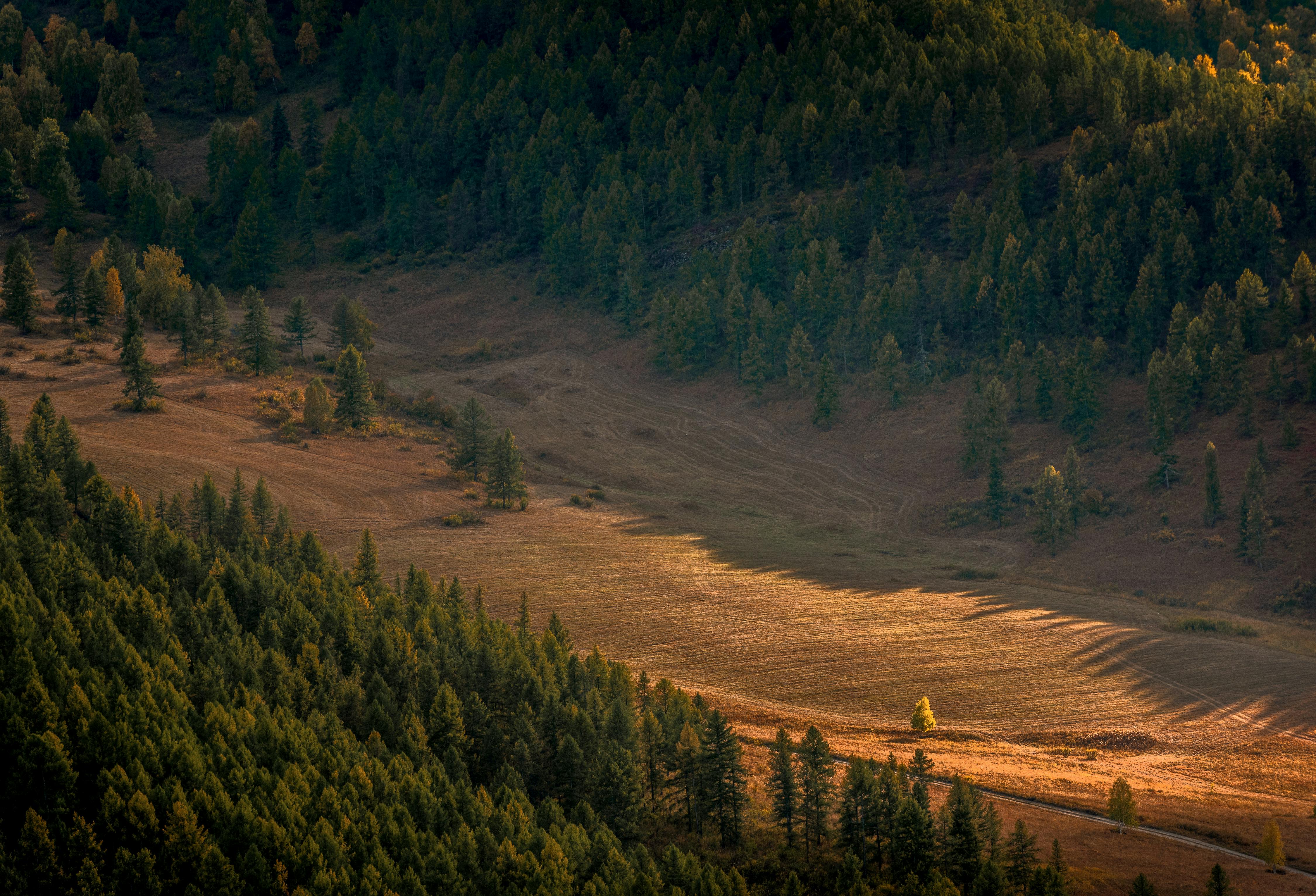
Even very short moments can make a difference. A five- or ten-minute walk around your block, stepping outside to feel fresh air, or standing on a porch or balcony can provide enough sensory input to gently support regulation. If leaving the house feels like too much, sitting near a window with natural light can still help orient the nervous system and reduce the sense of being closed in.
For some people, tending to plants offers a quiet, grounding connection to nature. Gardening, watering houseplants, or even touching soil engages the senses in a steady, repetitive way that can feel calming without being demanding. Others may find comfort in listening to nature sounds—rain, ocean waves, or birdsong—which can offer many of the same regulating benefits when outdoor access is limited.
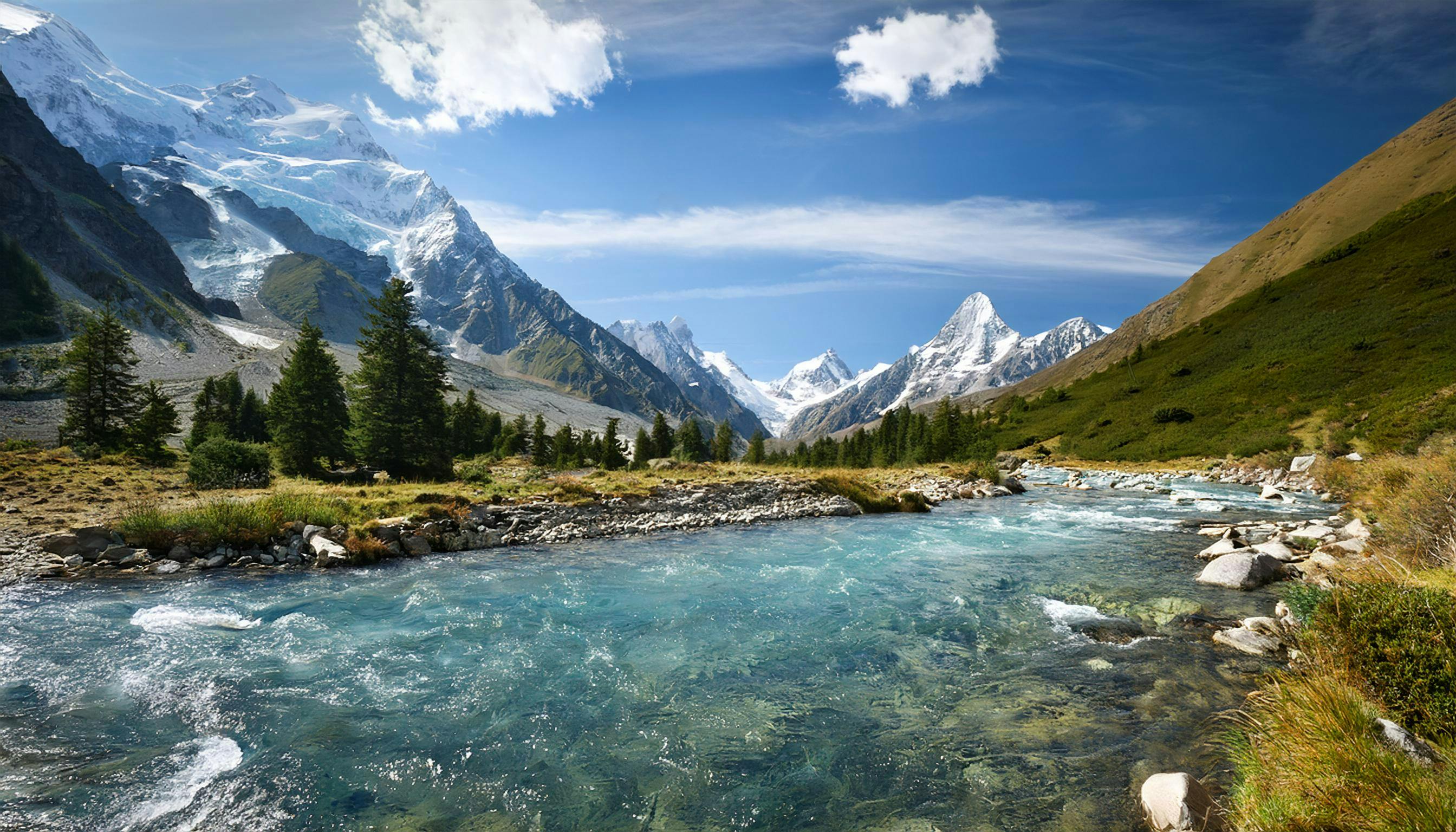
Water-based environments can be especially soothing. Being near a lake or river, watching water move, or listening to flowing sounds can help slow the nervous system. When those options aren’t available, everyday experiences like taking a warm shower can act as a sensory bridge—providing rhythm, sound, and physical comfort that mimic natural regulation.
It’s also important to acknowledge real barriers. Extreme heat or cold, mobility limitations, anxiety about public spaces, and urban living can all make traditional “nature time” difficult. None of these mean you’re doing something wrong or missing out. Nature connection is flexible and adaptable, and it can meet you where you are.
The goal isn’t to push past anxiety or force yourself into situations that feel unsafe. It’s to find small, sustainable ways to let your nervous system experience moments of ease. When nature is approached gently and realistically, it becomes a support rather than another expectation to live up to.
Why Nature Helps When Traditional Coping Skills Feel Hard
When anxiety is high, many well-intentioned coping skills can start to feel inaccessible. Journaling requires reflection and language, cognitive reframing asks the mind to challenge itself, and grounding exercises often depend on focused attention. But anxiety doesn’t live only in the mind—it lives in the body. When the nervous system is already in survival mode, asking it to think differently or process deeply can feel like trying to reason with a fire alarm while it’s blaring.
This is where nature offers something fundamentally different. Rather than asking you to do more, nature works by changing the environment around you. The nervous system is constantly taking in cues of safety or threat, often without conscious awareness. Natural settings tend to send fewer threat signals and more cues of steadiness—consistent sounds, open space, natural light, and gentle movement. In response, the body can begin to settle on its own, without needing to be convinced or corrected.
Instead of working against anxiety by trying to override it, nature works with the nervous system at its current capacity. It meets you where you are—whether you’re tense, restless, shut down, or overwhelmed—and supports regulation without requiring insight, motivation, or the “right mindset.” This is especially important during moments when traditional tools feel exhausting or ineffective.
Nature isn’t about fixing anxiety or making it disappear. It’s about creating the conditions where safety is possible. When the body feels even a little safer, anxiety has less need to shout for attention. Over time, these small moments of safety can make other coping skills more accessible again—but even on their own, they matter.
If you’ve ever felt frustrated or ashamed that certain techniques “don’t work” for you, it’s not a personal failure. It’s often a sign that your nervous system needs support before your mind can engage. Nature offers that support quietly, compassionately, and without asking you to try harder.
Making Nature a Gentle, Sustainable Practice
When it comes to using nature as a support for anxiety, consistency matters far more than intensity. You don’t need long hikes, remote locations, or perfect conditions for nature to be helpful. In fact, brief, repeated moments of connection are often more regulating than occasional, high-effort attempts. The nervous system learns through repetition, not through extremes.
One way to make nature a sustainable practice is to pair it with routines you already have. Sitting near a window while you drink your morning coffee, stepping outside for a few breaths before starting your car, watering plants in the evening, or noticing the sky during a short break can all become natural points of regulation. When nature is woven into what you’re already doing, it stops feeling like another task on your to-do list.
It’s also important to reframe what healing anxiety actually means. Healing isn’t about eliminating anxiety altogether or staying calm all the time. It’s about building regulation and resilience—the ability to move in and out of stress without getting stuck there. Nature supports this by offering steady, reliable cues of safety that help the nervous system recover more easily after activation.
As you begin to incorporate nature in small ways, it can be helpful to notice how your body responds in different environments. Do certain sounds feel more calming than others? Does open space feel soothing or overwhelming? Does sunlight energize you or help you slow down? There are no right answers—only information your body is offering.
Approached gently, nature becomes less about doing something “right” and more about listening. Over time, these small acts of attention can strengthen your sense of safety and support a more compassionate relationship with your anxiety—one rooted in understanding rather than control.
Reconnecting With What We Are Wired For
Humans didn’t evolve in constant noise, artificial light, and nonstop stimulation. We developed in close relationship with the natural world—guided by daylight and darkness, seasons and weather, movement and rest. Our nervous systems still respond to these rhythms, even if modern life often pulls us away from them. Reconnecting with nature isn’t about nostalgia or escape; it’s about returning to something deeply familiar at a biological level.
Anxiety, in this context, isn’t a personal failure or a sign that something is “wrong” with you. It’s a signal from a nervous system that has been asked to adapt to conditions it wasn’t designed to handle indefinitely. When anxiety shows up, it’s often pointing to a need for safety, slowing down, or support—not discipline or self-criticism.
Small, repeated moments of connection with nature matter more than we’re often led to believe. A few minutes of sunlight, a brief walk, the sound of water, or the feeling of fresh air can gently remind your body that it doesn’t have to stay on high alert forever. These moments don’t erase anxiety, but they help create space around it.
Healing doesn’t require grand changes or perfect practices. It happens quietly, through consistency, compassion, and listening to what your body needs. Nature offers a steady invitation back to regulation—one small moment at a time.
More Resources
If you are interested in learning more, click here. For more information on this topic, we recommend the following:
Are you passionate about helping others unlock their potential? Our Board Certified Coach (BCC) training, approved by the Center for Credentialing & Education (CCE), equips you with the skills, tools, and certification needed to thrive as a professional coach. Take the next step toward a rewarding coaching career with our comprehensive program! Click here to learn more!
The Well-Gardened Mind: The Restorative Power of Nature
The Nature Fix: Why Nature Makes Us Happier, Healthier, and More Creative

DISCLAIMER: As an Amazon Associate we earn from qualifying purchases. This post may contain affiliate links that will reward us monetarily or otherwise when you use them to make qualifying purchases. In addition, there may be non-Amazon affiliate links in this post which means we may receive a commission if you purchase something through a link. However, be assured that we only recommend products that we see genuine value in.
The information provided is for educational purposes only and does not constitute clinical advice. Consult with a medical or mental health professional for advice.

Finances do not have to prevent you from getting support.
Come join our support community.
Where would you like us to send the free support group invite and complimentary workbook?
Your Information Will Be Kept Private

