
Why Crying Feels Unsafe for Some People
Mar 25, 2026
Crying is meant to bring relief—but for some, it feels anything but safe. Instead of comfort, tears can trigger anxiety, shame, or numbness, leaving you wondering why your body won’t let go. You’re not alone, and there’s a reason behind it. Understanding why crying can feel unsafe is the first step toward feeling secure with your emotions again. Learn more about emotional numbness, when you feel nothing at all, by clicking here.
Table of Contents
Introduction
You feel it building—the tightness in your chest, the lump in your throat, the sense that tears are right there.
But then… nothing.
It stops. Your body shuts it down. Maybe you swallow it back without thinking, or suddenly feel numb instead. For some people, it’s not numbness at all—it’s a wave of anxiety, embarrassment, or even panic that replaces the urge to cry.
If this sounds familiar, you’re not alone.
A lot of people want to cry and can’t. Or they can—but it feels uncomfortable, overwhelming, or even unsafe when they do. Instead of relief, there’s tension. Instead of release, there’s pressure to hold it together.
It can be confusing, especially when you’ve heard that crying is supposed to help. So when it doesn’t come—or doesn’t feel good when it does—it’s easy to wonder what’s wrong.
Nothing is wrong with you.
There are real reasons your mind and body might resist crying, and understanding them can start to make that experience feel a little less isolating.
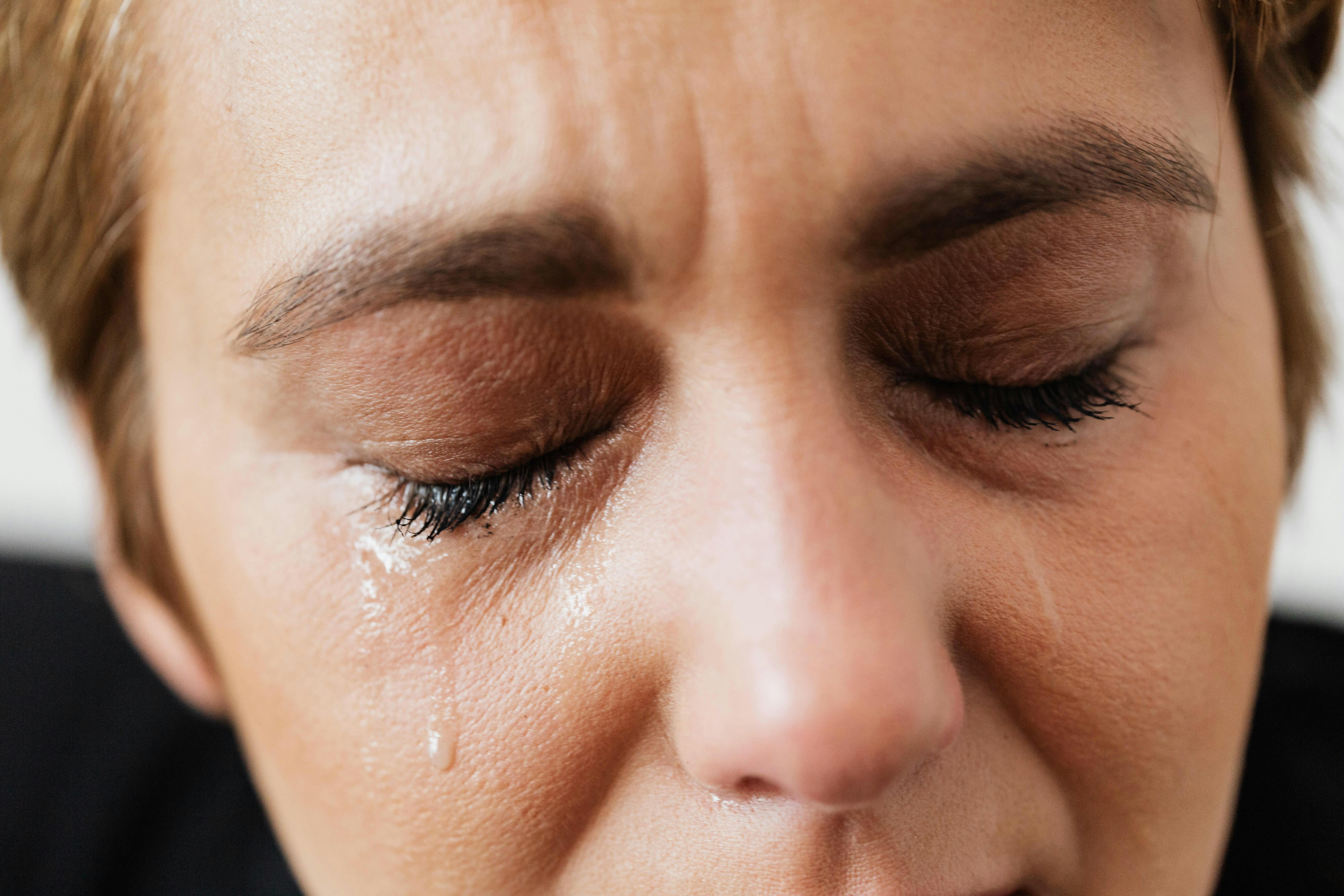
What Crying Is Supposed to Do
Crying is often talked about as something to avoid or control—but at its core, it’s a natural and important function of the body.
Emotionally, crying can act as a form of release. When feelings build up—sadness, frustration, grief—tears can help create a sense of movement, allowing those emotions to shift rather than stay bottled up. It doesn’t solve the problem, but it can take the edge off the intensity and make what you’re feeling more manageable.
On a physical level, crying is also connected to your nervous system. It can help your body come down from heightened emotional states, signaling a kind of “release valve” after stress or overwhelm. That’s why some people feel calmer or even tired after a good cry—it’s part of your system trying to regulate itself.
Crying also plays a social role. It communicates vulnerability and can invite comfort, support, or connection from others. Even if you’re not consciously thinking about it, tears are one of the ways humans signal, “I’m struggling, and I could use care.”
None of this makes crying a weakness. If anything, it’s evidence that your body has built-in ways to process, regulate, and connect. The challenge is that for some people, those systems don’t always feel safe to access—and that’s where things get more complicated.
Why Crying Can Feel Unsafe
For some people, crying doesn’t feel relieving—it feels uncomfortable, overwhelming, or even unsafe. That reaction doesn’t come out of nowhere. It’s usually shaped by past experiences and the ways your mind and body learned to protect you.
Early Conditioning
For many, the message started early. Maybe you were told things like, “Stop crying or I’ll give you something to cry about,” or your emotions were dismissed, ignored, or punished. Over time, your system may have learned that expressing feelings leads to rejection, disapproval, or even consequences. So instead of crying freely, your body adapted by shutting it down.
Trauma and Emotional Overwhelm
If crying has been tied to moments of fear, helplessness, or pain, it can start to feel like opening a door that’s hard to close. There can be a fear that once the emotions start, they won’t stop—or that they’ll become too intense to handle. In these cases, your nervous system may treat vulnerability as a threat, trying to protect you by blocking or interrupting the response altogether.
Shame and Internalized Beliefs
Messages about crying don’t just come from others—they can become internal beliefs. Thoughts like “crying is weak,” “I’m too much,” or “no one will take me seriously” can create a strong sense of shame around emotional expression. Even if part of you wants to cry, another part may step in quickly to shut it down.
Lack of Emotional Safety in Relationships
Crying often requires a sense of safety, especially around other people. If you’ve had experiences where your emotions were minimized, judged, or used against you, it makes sense that your system would hesitate. The fear of being misunderstood, dismissed, or abandoned can make it feel safer to hold everything in.
Emotional Suppression as a Coping Strategy
For many high-functioning individuals, staying in control becomes the priority. You may be used to pushing through, problem-solving, and keeping things together no matter what. In that context, crying can feel like losing control or falling apart. Even if it’s not conscious, your system may resist anything that threatens that sense of stability.
None of these responses mean something is wrong with you. They point to ways your mind and body learned to adapt—often in environments where emotional expression didn’t feel safe or supported.

What It Can Feel Like in the Moment
When crying doesn’t feel safe, the experience in the moment can be confusing—and sometimes frustrating. You might sense that something emotional is there, but it doesn’t come out in the way you expect.
You may feel the familiar lump in your throat or pressure behind your eyes, like tears are about to surface… and then they don’t. It’s as if something inside you hits the brakes.
For others, the feeling disappears entirely. Instead of sadness, there’s a sudden numbness or disconnection, like you’ve shut off from what you were just feeling.
Sometimes, the opposite happens. Instead of relief, your body ramps up. Anxiety or even panic can take over, making it feel unsafe to stay in the emotion. Your heart might race, your thoughts speed up, and the urge becomes less about releasing and more about escaping the feeling.
You might also notice anger showing up in place of sadness. Irritability, frustration, or tension can feel more accessible—almost like they step in to block something more vulnerable underneath.
And often, there’s a strong pull to do something—anything—to get away from the feeling. You might distract yourself, push through, stay busy, or tell yourself to “get it together.” Not because you don’t care, but because your system is trying to protect you from something that doesn’t feel safe to feel.
If you recognize yourself in any of this, you’re not imagining it. These are real, common responses when your body has learned that crying—or what it brings up—might not be safe.
The Nervous System Perspective
From a nervous system perspective, this isn’t about willpower, and it’s not a personal flaw.
Your body is wired to protect you. If crying has ever been linked—directly or indirectly—to discomfort, rejection, overwhelm, or emotional pain, your system can learn to treat it as something unsafe. So instead of allowing that release, it steps in to block, numb, or redirect the experience.
That’s why you might feel anxiety instead of relief, or shut down right when emotions start to surface. It’s not random—it’s your body trying to keep you from what it perceives as a threat.
For some people, crying activates a stress response rather than a calming one. Even though crying is meant to help regulate emotions, your system may have learned that it leads to something overwhelming or unsafe, so it responds accordingly.
This is important: your system isn’t broken.
It adapted.
At some point, these responses likely served a purpose. They helped you stay in control, avoid harm, or navigate environments where emotional expression wasn’t safe. And even if those patterns don’t feel helpful now, they make sense in the context of what you’ve experienced.

Gentle Ways to Rebuild Safety Around Crying
If crying doesn’t feel safe, the goal isn’t to force it. In fact, pushing yourself to cry can sometimes make your system resist even more. Instead, the focus can be on gently rebuilding a sense of safety around your emotions—at your own pace.
One place to start is simply allowing emotions to exist without needing them to turn into tears. You might notice sadness, heaviness, or tension and let it be there, without trying to change it or make something happen. Crying is just one form of expression—not the only one that “counts.”
It can also help to put words to what you’re feeling, even if it stays internal. Naming emotions like “I feel overwhelmed,” or “there’s something heavy here” can create a bit of space, without requiring full emotional release right away.
Creating a sense of privacy and safety can make a difference too. That might mean being alone in a comfortable space, reducing distractions, or choosing a time when you don’t feel rushed or observed. For some people, emotional expression feels more accessible when there’s no pressure to be seen or understood by others.
If emotions start to rise and feel intense, grounding techniques can help your body stay regulated. Slowing your breathing, noticing your surroundings, or physically anchoring yourself (like pressing your feet into the floor) can signal to your system that you’re still safe, even with emotion present.
You might also experiment with what could be called “almost crying” moments—listening to music that resonates, journaling, or watching a scene in a movie that brings up emotion. These experiences can gently approach the edge of feeling without overwhelming your system.
Through all of this, it’s important to remember: there is no requirement to cry. You’re not doing anything wrong if tears don’t come. Safety comes first, and over time, as your system begins to feel more secure, emotional expression—whatever that looks like for you—can become more accessible.
When Crying Starts to Feel Safer
As your system begins to feel safer with emotion, things can start to shift—often gradually, and sometimes in ways that are easy to miss at first.
You might notice a little less fear when emotions come up. Instead of immediately bracing, shutting down, or pushing feelings away, there can be a bit more space to stay with them. The sense of overwhelm may still show up, but it doesn’t feel quite as all-consuming or urgent to escape.
With that often comes increased self-trust. You start to learn, through experience, that you can feel something difficult without it taking over completely. That you can move through emotion and come out the other side. That alone can make emotional experiences feel less threatening.
For some people, crying may begin to feel different too. Instead of triggering anxiety or discomfort, it can feel like a release—something that helps rather than something that needs to be avoided. It may not happen often, and it may not look dramatic, but when it does happen, it can feel more natural and less loaded.
You may also find your emotional range expanding. Not just in terms of sadness, but across the board—being able to feel more deeply, connect more openly, and respond to your experiences with less restriction. That can lead to a greater sense of connection, both with yourself and with others.
None of this happens overnight. But as safety builds, your relationship with emotion can begin to change in ways that feel steadier, more manageable, and ultimately more supportive.

When to Seek Support
Sometimes, even with gentle practices, emotions can feel stuck, overwhelming, or closely tied to past trauma. When that happens, it can be hard to navigate on your own—and that’s completely okay.
Seeking support doesn’t mean you’ve failed or that your emotions are “wrong.” A trained therapist or coach can provide a safe space to explore feelings, help your nervous system regulate, and guide you toward strategies that make emotional expression feel more manageable.
Professional support can help you process difficult experiences at a pace that feels safe, rebuild trust in your emotional system, and gradually open the door to the relief and connection that crying—and other forms of emotional expression—can bring.
Conclusion
It’s important to remember: not crying doesn’t mean you’re disconnected, weak, or unfeeling. Your body and mind learned these patterns for a reason—to keep you safe in situations where showing vulnerability might have felt risky.
Over time, safety can be rebuilt. With gentle attention, supportive practices, and, if needed, guidance from a professional, your system can learn that it is safe to feel—and even to release—emotions.
Your emotional experience is valid, and your capacity to reconnect with it can grow, one small step at a time.

More Resources
If you are interested in learning more, click here. For more information on this topic, we recommend the following:
Are you passionate about helping others unlock their potential? Our Board Certified Coach (BCC) training, approved by the Center for Credentialing & Education (CCE), equips you with the skills, tools, and certification needed to thrive as a professional coach. Take the next step toward a rewarding coaching career with our comprehensive program! Click here to learn more!

DISCLAIMER: As an Amazon Associate we earn from qualifying purchases. This post may contain affiliate links that will reward us monetarily or otherwise when you use them to make qualifying purchases. In addition, there may be non-Amazon affiliate links in this post which means we may receive a commission if you purchase something through a link. However, be assured that we only recommend products that we see genuine value in.
The information provided is for educational purposes only and does not constitute clinical advice. Consult with a medical or mental health professional for advice.

Finances do not have to prevent you from getting support.
Come join our support community.
Where would you like us to send the free support group invite and complimentary workbook?
Your Information Will Be Kept Private

